Memorial of Saint Pius of Pietrelcina, Priest (Padre Pio)
First Reading: Proverbs 30:5-9
Responsorial Psalm: Psalm 119:29, 72, 89, 101, 104, 163
Gospel: Luke 9:1-6
Daily readings: https://bible.usccb.org/bible/readings/092326.cfm
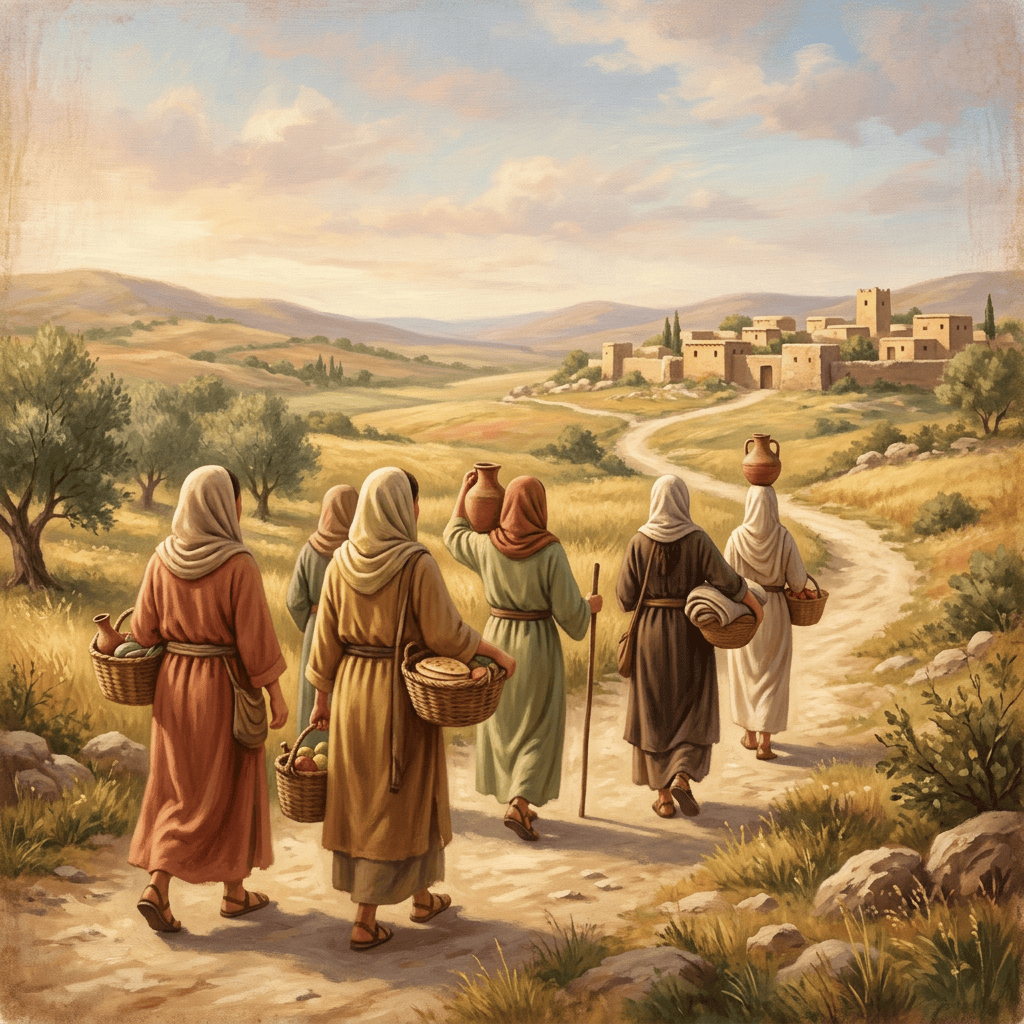
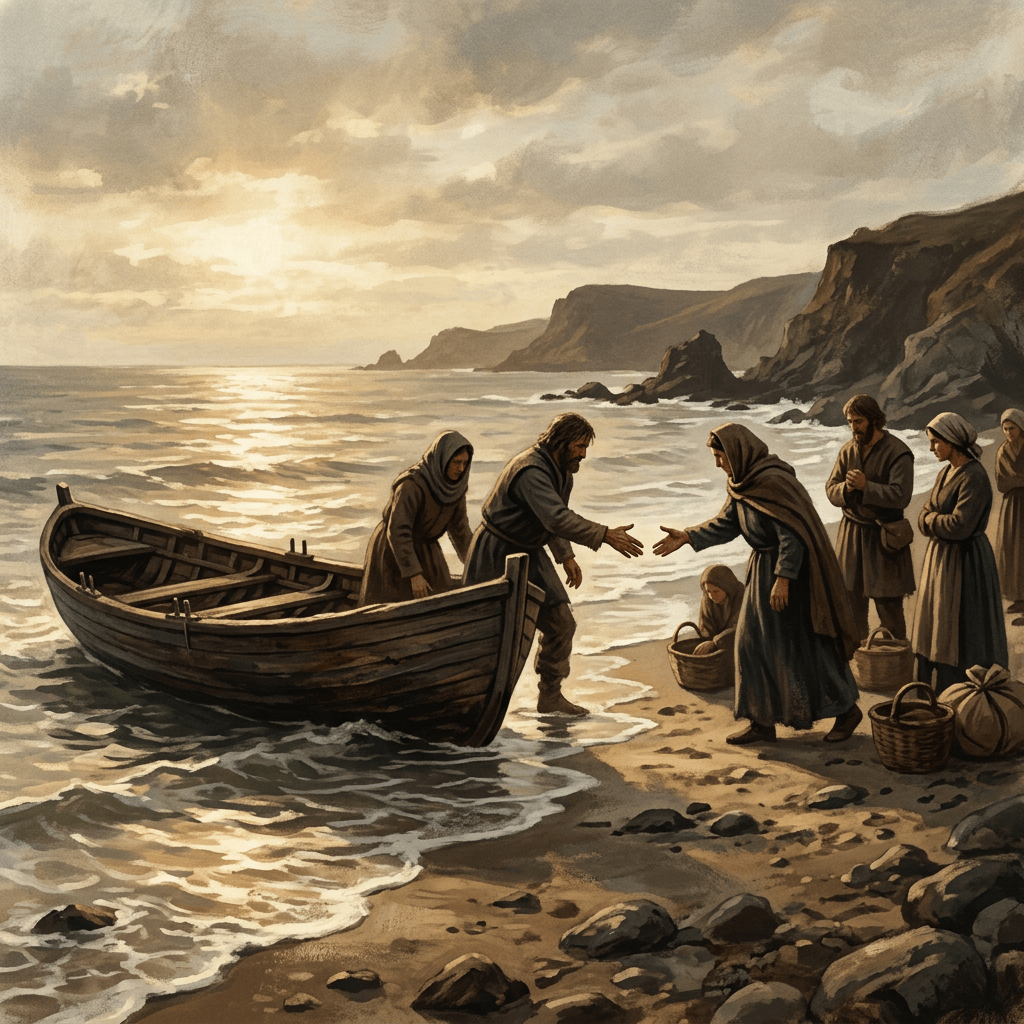
Jesus sends out the Twelve and tells them to take nothing for the journey. No walking stick, no bag, no food, no money, not even a second tunic. Just the authority he has given them and the willingness to go. Whatever house welcomes you, stay there. If a town does not receive you, shake the dust from your feet and move on. They set out from village to village proclaiming the Good News and curing diseases everywhere. The mission works. And it works precisely because they are empty-handed — dependent on the One who sent them and on the people they are sent to serve.
The writer of Proverbs asks God for two things before he dies: keep falsehood far from me, and give me neither poverty nor riches — only what I need. The reason is honest: if I am full, I may forget God entirely; if I am in desperate want, I may sin to survive. The middle place — enough, but not more than enough — keeps me close to the One who provides. This is not a spirituality of scarcity. It is a spirituality of dependence: staying near enough to need that prayer remains real.
Today the Church remembers Padre Pio — born Francesco Forgione in 1887, a Capuchin friar who lived most of his priesthood at one small friary in southern Italy, never accumulating, never moving on to something larger. He described himself simply: a poor friar who prays. He bore the stigmata — the wounds of Christ in his own body — for fifty years. He spent his days saying Mass and hearing confessions, because he believed those were the things that mattered most. He said: in books we seek God; in prayer we find him. Pray, hope, and don’t worry. He died on this day in 1968, after a Mass, repeating the names of Jesus and Mary.
A few questions to sit with today:
1. Jesus told the Twelve to take nothing extra. Is there something I am carrying on my own journey that is weighing me down rather than helping — a worry, a need for control, an accumulation I am afraid to let go of?
2. Proverbs asks for neither poverty nor riches, only enough. Am I living in a way that keeps me honestly dependent on God — or have I arranged my life to need him as little as possible?
3. Padre Pio said: pray, hope, and don’t worry. Which of those three is hardest for me right now? Where is the worry living?
4. He spent fifty years in one small place, doing the same faithful things: Mass, confession, prayer. Is there a simple, faithful practice in my life that I keep trying to move past, when what God might want is for me to go deeper into it?
One small thing for tomorrow:
Tomorrow, before you pick up your phone in the morning, say one sentence to God: Lord, I have what I need for today. Let that be the beginning.
Lord Jesus, you sent your disciples out with empty hands and enough authority for the work. I often travel heavy — anxious, over-prepared, trusting my own provisions more than yours. Help me to travel lighter. Give me what Padre Pio had: the simplicity to stay in the small place, to pray faithfully, to hope without worrying. Let prayer be the key in my hands today. Amen.
If you would like to share: what is one thing you are carrying right now that you could set down in order to travel a little lighter with Jesus?